The Silent Method
Your Food Noise Is Not a Character Flaw — It's Biology. Here's the Proof.
Your Food Noise Is Not a Character Flaw : It’s Biology. Here’s the Proof.
If you think about food all day, you are not broken.
You are not lazy. You do not lack discipline. You are not failing at something that seems easy for everyone else.
What many people call food noise is a real experience. It can feel like constant thoughts about what to eat, when to eat, what you already ate, and what you should not eat. You may feel physically full and still feel pulled toward food.
That can be confusing. It can also be painful when every thought turns into self-criticism.
But your food noise is not a sign of bad character. It is connected to the way your brain and body respond to food cues, stress, hormones, habits, and reward.
Understanding this does not mean you are powerless. It means you can stop fighting yourself and start working with what is really happening.
What is food noise?
Food noise is a simple way to describe persistent or unwanted thoughts about food and eating.
It may sound like:
- “What am I going to eat later?”
- “I already ate, but I still want something.”
- “I should not be thinking about food this much.”
- “I will start over tomorrow.”
- “Why can’t I just stop?”
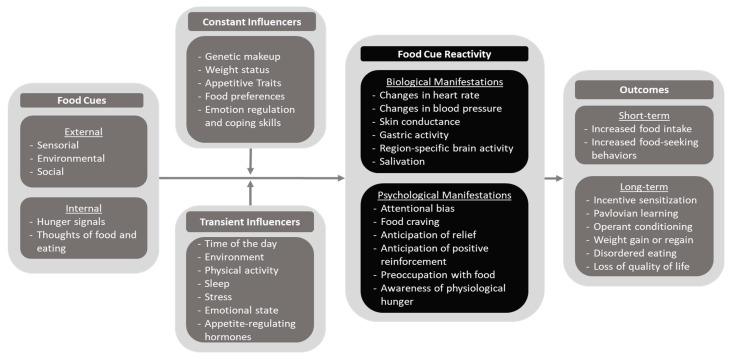
Researchers are beginning to study food noise as a form of heightened food cue reactivity. In plain language, this means your brain may respond very strongly to food-related signals.
Those signals can come from outside you:
- Seeing a bakery
- Smelling popcorn
- Hearing a snack bag open
- Seeing a food ad
- Walking into the kitchen
They can also come from inside you:
- Stress
- Tiredness
- Boredom
- Loneliness
- A difficult emotion
- The memory of a food that once brought comfort
These signals can create a strong urge even when your body does not need more energy.
That is why food noise can feel separate from physical hunger.

Your brain is built to notice rewards
Food is more than fuel. It is also a powerful reward.
Your brain has a reward system that helps you notice things that may help you survive. Food, connection, rest, and safety can all activate this system.
One important chemical in this system is dopamine.
Dopamine is often called the “pleasure chemical,” but that is not the full story. Dopamine is more connected to wanting, motivation, and learning.
It helps your brain say:
“Pay attention. This may feel good. Go get it.”
This is useful when food is hard to find. If your brain notices a chance to eat, it encourages you to take that chance.
But today, food is often available all day. It is also designed to catch your attention. Bright packages, food delivery apps, restaurant smells, social media videos, and treats at the checkout line can all become powerful cues.
Your brain may start responding to the cue before you even decide what you want.
The food noise loop
Here is the basic loop:
-
A cue appears.
You see a cookie, feel stressed, or reach the end of a long day. -
Your brain predicts a reward.
Dopamine helps the cue feel important. Your attention moves toward food. -
You feel the urge.
You may think about the food, imagine eating it, or feel restless until you do. -
You eat.
The food may taste good. It may also bring comfort, relief, distraction, or a break. -
Your brain learns.
The brain connects the cue with the reward. The loop becomes easier to repeat next time.
This can happen without a conscious choice. It does not mean you are weak. It means your brain has learned a pattern.
Over time, the cue can become more powerful than the actual eating experience. You may want the food very badly, then feel only a short burst of pleasure after eating it.
This is the difference between wanting and liking.
You can want something intensely without enjoying it as much as you expected. That is one reason overeating often does not bring the peace you hoped it would.
Why being full does not always quiet the noise
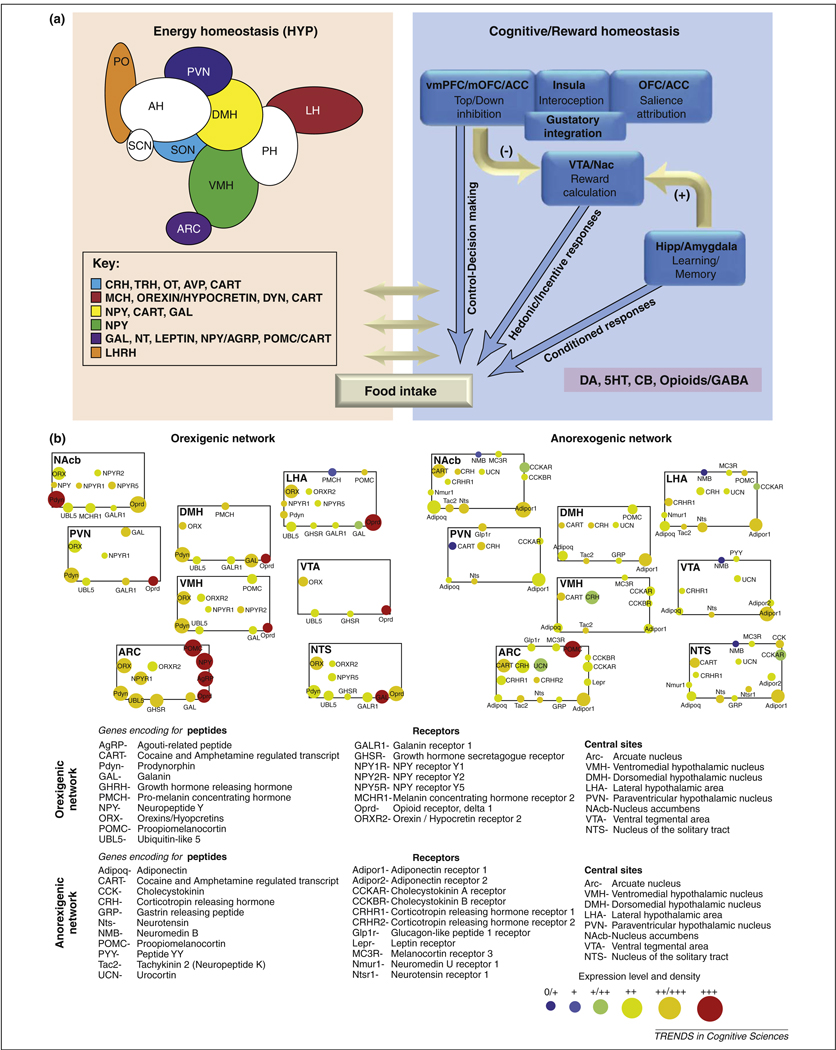
Your body has systems that help manage hunger and fullness. Your stomach, gut, pancreas, and brain send messages about energy and digestion.
But your fullness system is not the only system involved in eating.
Your brain also responds to:
- Learned food memories
- Strong flavors
- Food smells
- Stress
- Emotions
- Social settings
- Habit
- Reward
These systems work together, but they do not always agree.
Your body may say, “I have had enough.”
Your reward system may say, “That food looks exciting.”
Your stress system may say, “I need relief now.”
This is why you can be physically full and still think about food. It does not mean you are ignoring your body on purpose. It means several systems are sending messages at the same time.
Stress can turn up the volume
Stress is another important part of the food noise cycle.
When you are under stress, your body releases hormones that help you deal with a challenge. One of these hormones is cortisol.
Cortisol is not bad. It helps you respond when something needs your attention. The problem is that ongoing stress can keep your body in a state of alert.
When this happens, your brain may look for fast comfort or fast energy. Food is easy to find, easy to use, and often gives a quick change in how you feel.
Eating may briefly help you feel:
- Calmer
- Numb
- Rewarded
- Distracted
- Less alone
- More in control
Your brain remembers that change. The next time stress appears, food may come to mind faster.
This is not a moral failure. It is a learned stress-and-relief pattern.
Poor sleep, exhaustion, and emotional strain can make this pattern even stronger. When you are tired or overwhelmed, the part of your brain that helps you pause and think clearly may have less energy to do its job.
That is why the same food may feel easy to ignore one day and impossible to stop thinking about another day.
Shame can make the loop stronger
Many women have spent years being told that overeating means they need more willpower.
So the loop becomes:
- Food thought appears.
- You eat or feel an urge to eat.
- You judge yourself.
- Shame and stress rise.
- Your brain looks for relief.
- Food becomes even more appealing.
Shame does not calm your nervous system. It adds more stress to an already active loop.
A kinder response can create more space:
“This is a learned body-and-brain response. I am not bad. I can notice what is happening before I decide what comes next.”
That small change matters. You do not have to approve of every behavior to stop attacking yourself.
What can help quiet food noise?
The answer is not another harsh set of food rules.
Rules may give you a short burst of control, but strict restriction often keeps food in the center of your mind. The more you tell yourself not to think about something, the louder the thought can become.
A better starting point is to create a pause.
When food noise appears, try this:
1. Notice
Say, “Food is taking up a lot of space in my mind right now.”
You do not need to argue with the thought. Just name it.
2. Soften
Take one slow breath. Relax your jaw and shoulders. Remind yourself that an urge is a message, not an order.
3. Get curious
Ask:
- Am I physically hungry?
- Am I stressed or tired?
- What happened just before this urge?
- What do I need in this moment?
There is no perfect answer. The goal is simply to learn your pattern.
4. Choose
After you create a little space, decide what to do next. You may choose food. You may choose rest, water, a short walk, a shower, connection, or a few quiet minutes.
The point is not to control yourself perfectly. The point is to give yourself more choice.
You are not the problem
Your brain learned how to connect food with reward, comfort, and relief. Your body responds to stress and hormones. Your environment gives you food cues all day.
That is biology. It is not a character flaw.
And biology can change. The brain can learn new patterns when you stop adding shame and begin practicing awareness, calm, and choice.
The Silent Method was created for this kind of moment. It offers a simple way to notice the urge, lower the struggle, and make your next decision from a little more space.
No food rules. No scorecard. No need to prove your worth.
If you want to learn more, you can see how The Silent Method works or read the point of view behind the method.
You do not have to fight your body forever. You can learn to make food quieter.
Sources and further reading
- What Is Food Noise? A Conceptual Model of Food Cue Reactivity
- Reward, Dopamine and the Control of Food Intake
- Food Reward System: Current Perspectives and Future Research Needs
This article is for education and general information. It is not a diagnosis or a substitute for medical care. If eating feels out of control or causes distress, consider speaking with a qualified healthcare professional who uses a non-shaming approach.